
NEW: Onshore Inspections
The Flux
A robust handheld system for corrosion detection and 3D mapping of unpiggable pipelines.
Discover the Flux
Inspect The Unpiggable
NEW: Onshore Inspections
A robust handheld system for corrosion detection and 3D mapping of unpiggable pipelines.
Discover the Flux
NEW Service
Know how fast every coating defect corrodes, in µm/year, validated against excavations.
See how it works
FREE: Whitepaper
How CMI separates protected steel from actively corroding steel, without excavation.
Download
EMPIT and ONTRAS Gastransport have won the Innovationspreis Neue Gase 2026 in the category Transport and Infrastructure. The German associations BDEW, DVGW and Die Gas- und Wasserstoffwirtschaft presented the award in Berlin on 9 November 2026, under the patronage of Federal Research Minister Dorothee Bär. It recognises the project "CMI & Green Octopus", in which an unpiggable natural gas transmission line has been converted to hydrogen transport.
The conversion route originally required, with its excavation programme, was estimated at around EUR 40 million. An above-ground Current Magnetometry Inspection (CMI) survey made it possible to make the line ready for in-line inspection instead, cutting the total cost of the conversion to around EUR 15 million.
ONTRAS operates Germany's second-largest gas transmission network, with around 7,700 km of pipelines. For its hydrogen project Green Octopus, ONTRAS has converted an existing natural gas line to hydrogen. The line was built in 1971 and has a design pressure of 63 bar and a maximum operating pressure of 55 bar.
The line could not be pigged and its documentation was incomplete. To assess it for hydrogen service, the independent expert required every tenth girth weld to be exposed. That meant around 300 excavations with estimated costs of about EUR 40 million.
Current Magnetometry Inspection (CMI) measures and records the magnetic field of the electrical inspection current flowing along a conductive pipeline, from above ground and without direct contact. On the ONTRAS line, EMPIT carried out an AI-supported CMI survey during full operation. It recorded the position, depth of cover, geometry and anomalies of the buried pipe and identified the obstacles that would have stopped a pig.
 Current Mapper during inspection
With this data, the project replaced the blanket excavation programme with targeted work in four steps:
Instead of exposing every tenth girth weld, excavations were limited to the locations where work was actually needed. The total cost of the conversion fell from about EUR 40 million to around EUR 15 million, a saving of more than half, roughly EUR 25 million. The case shows how above-ground inspection and in-line inspection complement each other: CMI made an unpiggable pipeline piggable, and the in-line inspection delivered the data the assessment for hydrogen required. The line has since been converted to hydrogen.

Bend with unpiggable radius; source: ONTRAS Gastransport GmbH
Germany's hydrogen network relies on converting existing natural gas pipelines, and many of these lines were never built for pigging. Green Octopus shows a way to prepare them for conversion without excavating at fixed intervals along the whole route. For EMPIT, being part of this project means contributing to a more resilient energy supply in Germany and to moving the conversion of existing infrastructure forward.
The jury, chaired by Prof. Dr.-Ing. Albert Moser of RWTH Aachen, selected nine nominees from more than 40 applications and chose one winner in each of the three categories. In its assessment, the jury highlighted that the AI-supported CMI inspection method makes it straightforward to demonstrate whether existing gas infrastructure can be used safely for hydrogen. This saves costs for infrastructure operators and drives forward the build-up of an efficient hydrogen infrastructure.


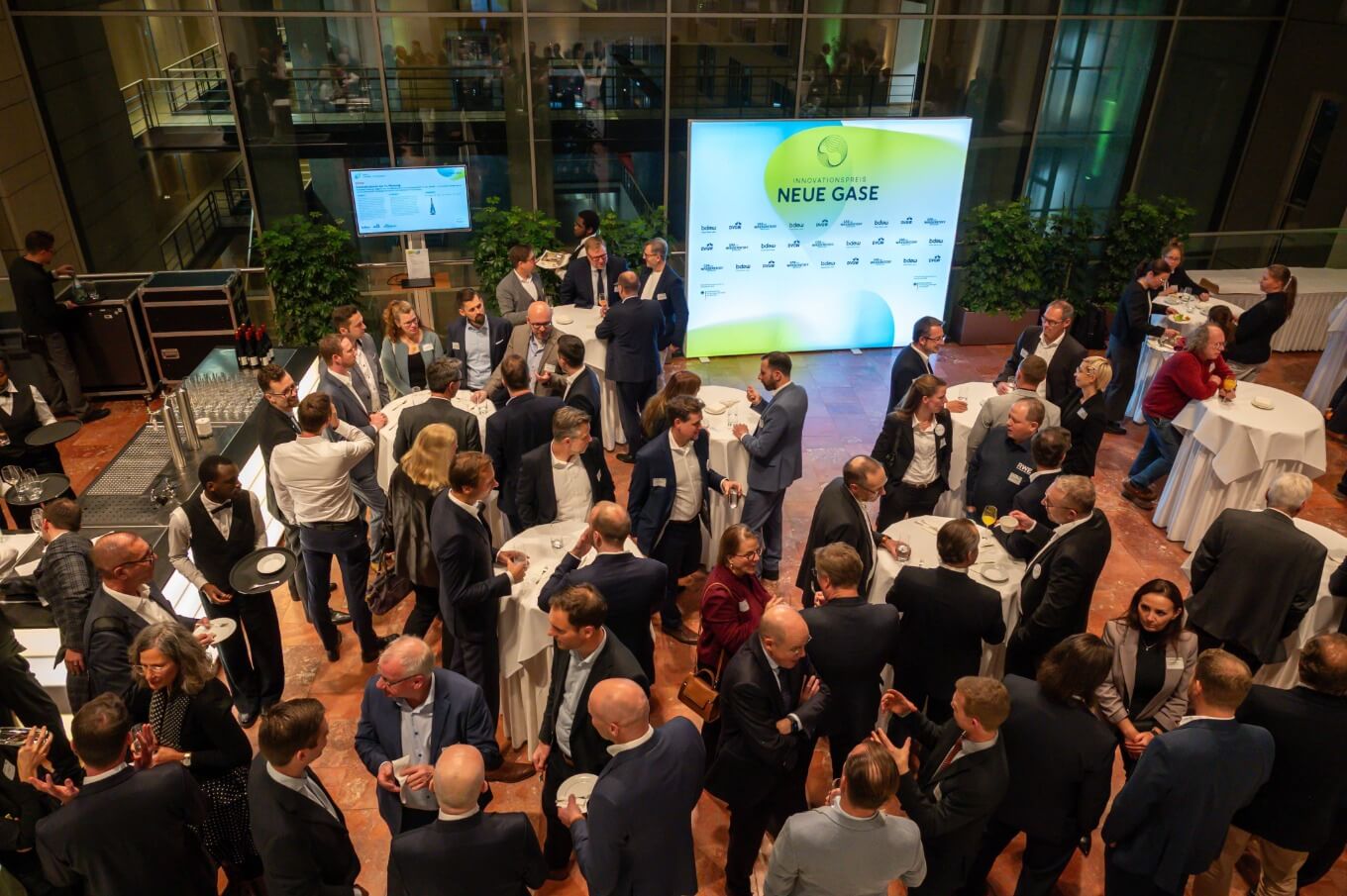

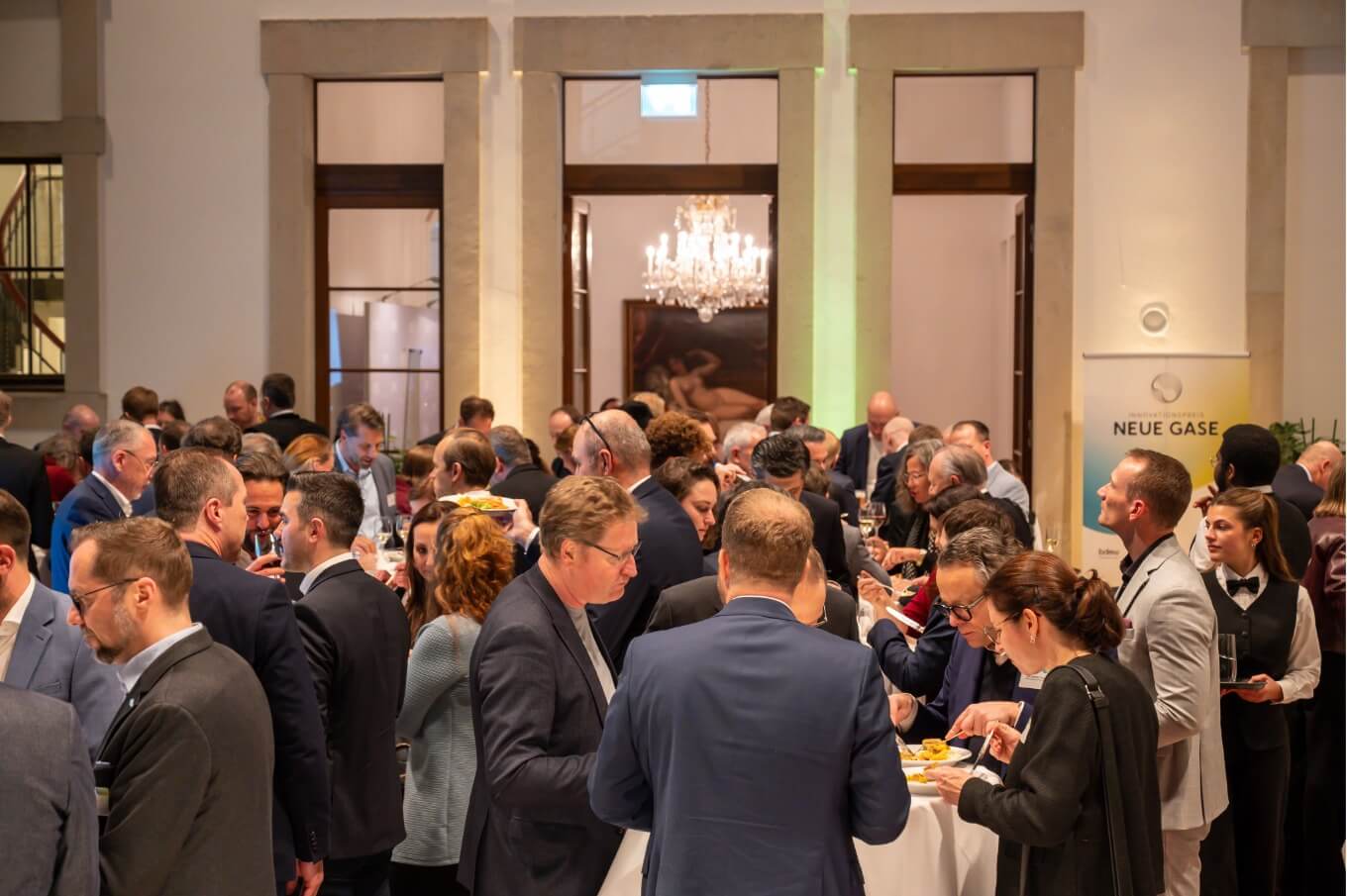

Photo credit: Thomas Ernst/InnovationspreisNeueGase
The Innovationspreis Neue Gase 2026 recognises a result that matters to every operator planning a hydrogen conversion: an unpiggable line with incomplete documentation was made piggable and converted to hydrogen, with the conversion costing around EUR 15 million instead of about EUR 40 million, less than half the estimated cost. EMPIT thanks ONTRAS Gastransport for the partnership and the jury for the recognition.
Hydrogen adds a further energy carrier to Germany's gas infrastructure. A more diverse energy mix reduces dependence on individual sources and makes the energy supply more resilient. Every existing pipeline that can be converted rather than newly built brings that goal closer and puts infrastructure that is already in the ground to new use.
Unpiggable does not mean unconvertible. With the right data from above ground, an existing gas line can be converted to hydrogen.